Complaints Procedure for Business Waste Removal Barnet
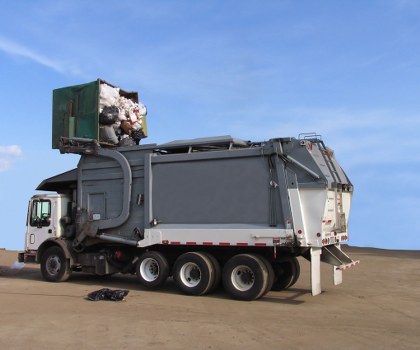 Purpose and scope. This document sets out a clear, fair and accessible complaints process for commercial rubbish removal services, including business waste removal in Barnet and surrounding service areas. It explains how complaints are handled, the timelines you can expect, and the responsibilities of both the waste company and the complainant. The aim is to resolve issues quickly while ensuring that operations remain compliant with environmental standards and customer service expectations.
Who can complain. Any business customer, contractor or authorised representative can raise a concern about commercial waste collection, disposal or recycling services. Complaints may relate to missed collections, damage to property, unsafe handling of waste streams, pricing disputes or perceived breaches of contract. This procedure applies to all types of commercial waste removal, including office clearances, retail refuse collection and site-specific waste management for construction.
 How to make a complaint. A complaint should be made as soon as reasonably possible after the event. Provide a clear description of the issue, relevant dates, site or account references, and any supporting evidence such as photographs or job numbers. Complaints can be submitted through the standard channels offered by the service provider. Please note complaints about regulated hazardous waste or health and safety incidents may trigger separate reporting obligations and will be handled with appropriate urgency.
Acknowledgement and initial assessment
Upon receipt, a complaint will be logged and acknowledged in writing or electronically within a set period, typically three working days. The acknowledgement will confirm the complaint reference, outline the next steps and identify a point of contact. An initial assessment will determine whether the complaint requires immediate action (for example, to reattend a missed collection) or a full investigation. This stage also screens for safety issues or regulatory considerations that must be escalated.
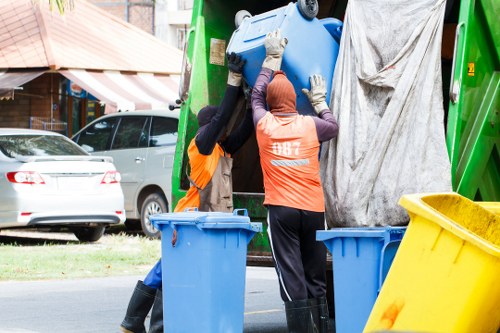 Investigation process. The investigation will be proportionate, impartial and timely. Relevant records such as collection logs, driver notes, vehicle GPS data and waste transfer documentation will be reviewed. Staff involved may be interviewed and photographs or site inspections arranged. The investigating officer will seek to establish facts, identify root causes and determine corrective actions. Where the complaint involves multiple parties or contractors, the company will coordinate with partners while preserving confidentiality.
Resolution and corrective actions
Following investigation, the company will propose remedial actions, which may include re-collection, corrective training, equipment repairs or financial adjustment where appropriate. Remedial measures will be proportionate to the impact of the issue and consistent with contractual terms and environmental obligations. The outcome will be communicated clearly, with an explanation of what happened, why, and what will be done to prevent recurrence. If systemic issues are identified, the business may review operational policies. Escalation and independent review. If a complainant is dissatisfied with the outcome, they may request escalation within the organisation to a senior complaints manager. An internal review will re-examine the original findings and any new information provided. Where appropriate, the case may be referred for an independent audit or third-party review to ensure impartiality. The escalation stage aims to provide a conclusive response and, where possible, a final remedy.
 Timescales and transparency. The company will provide an initial acknowledgement within three working days and aim to provide a full response within 15 to 20 working days. If more time is required due to complex investigations, the complainant will be informed of the reason and given an amended target date. Records of complaints, investigations and outcomes will be maintained accurately for a minimum period consistent with business records policies and regulatory requirements.
Confidentiality and data protection. All complaints will be handled in accordance with data protection principles. Personal information will be used only for the purpose of investigating and resolving the complaint. Complainants should not include unnecessary third-party data in their initial correspondence. Where sensitive or hazardous waste issues are involved, the company will balance confidentiality with obligations to inform regulators or emergency services when necessary.
Monitoring, learning and continuous improvement
The organisation will use complaints as an important source of learning. Regular reviews of complaint trends will inform training, process improvements and risk controls. A simple monitoring framework will track the number of complaints, categories, response times and closure rates. Where recurring themes emerge, corrective action plans with clear owners and deadlines will be implemented to reduce repeat incidents and improve customer satisfaction.What complainants can expect. Complainants should expect a respectful, professional and transparent process. They will be kept informed of progress, offered a clear summary of findings and advised of any remedial actions. The company is committed to resolving disputes in a way that is fair and consistent with contractual responsibilities and environmental compliance. If a resolution cannot be reached internally, alternative dispute mechanisms or regulatory contacts may be suggested.
Appeals and final remarks. If after escalation a complainant remains unsatisfied, the organisation will explain any further options, including independent review where applicable. The commitment to fair handling, timely communication, and practical remedies is central to the complaints procedure for commercial waste services such as business rubbish clearance and commercial waste collection. Regular updates to this procedure will reflect changes in industry practice and regulatory expectations.
