Business Waste Removal in Barnet
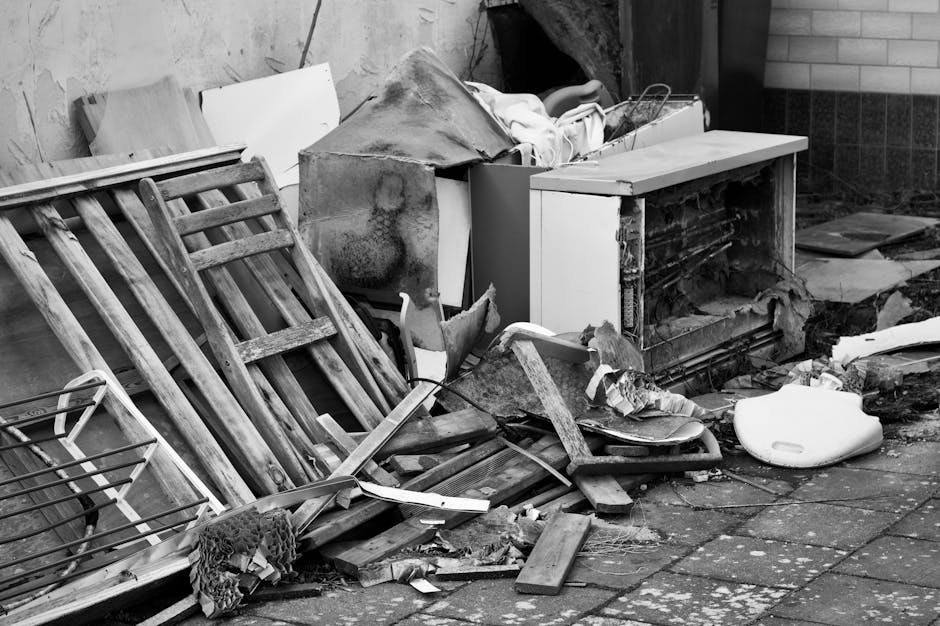
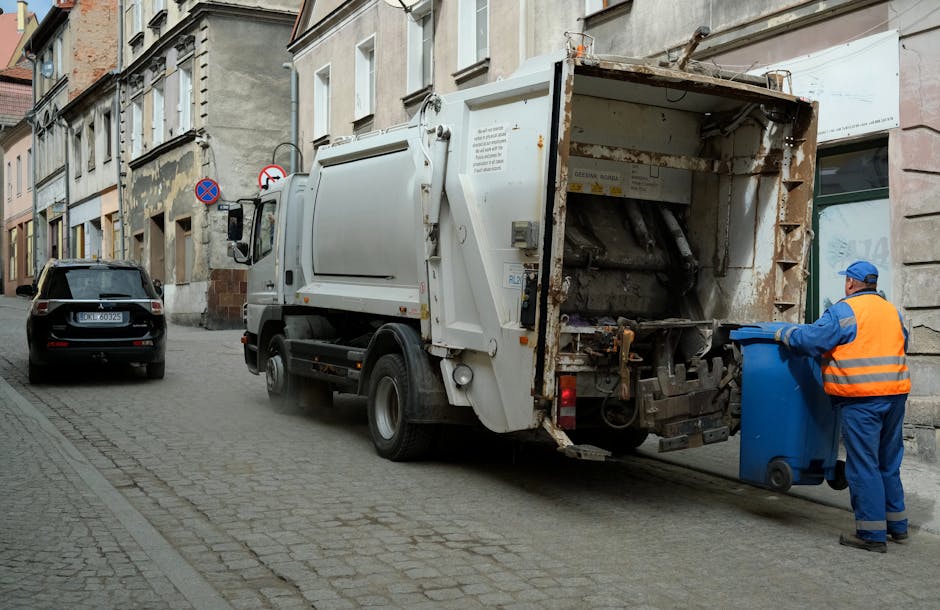
Business waste removal in Barnet needs a service that is practical, orderly and suited to day-to-day commercial premises. We handle a broad range of non-hazardous waste streams for offices, shops, workshops and other workplaces, with collections planned around the material, access and the amount of waste involved. The aim is simple: remove what your business no longer needs, keep the process tidy and leave you with a clearer space to work in.
Our service covers routine clearance as well as one-off removals when stock, fittings or accumulated rubbish have built up. We can deal with mixed loads where items need separating for recycling, and we can also focus on specific categories such as office furniture, appliances, confidential paper for shredding and general commercial rubbish. For many customers, the key benefit is having one organised collection rather than trying to manage waste in stages.
To arrange the right service, it helps to note what needs removing, whether the load includes bulky items or delicate contents, and how access works at your premises. A short description is often enough to start planning, and if you already know the type of material you need collected, you can move straight to a clear quotation request. Please get in touch for a quote when you are ready.
Commercial waste collections tailored to your premises

Many businesses need waste removed in a way that fits with opening hours, shared entrances, service yards or restricted parking. We focus on keeping the collection process straightforward, with careful handling of items that need lifting, loading or separation. That can include bagged refuse, broken fittings, redundant shelving, packaging waste and office clear-outs, all managed with the same practical approach. Where materials are sorted in advance, collections are usually more direct; where they are mixed, we work through them methodically.
Different workplaces create different kinds of waste, so the service should reflect the space rather than force every job into the same pattern. A small office may need paper, desks and chairs cleared quickly, while a retail unit may need stock-room items and display fixtures removed together. Industrial or trade settings may also produce heavier or awkward objects that need safe loading. If you are comparing options, it is worth choosing a provider that can adapt to the load rather than expecting you to separate everything yourself. That flexibility matters when time and access are limited.
Useful details for a quotation usually include the type of premises, the approximate volume, any large or unusual items, and whether there are stairs, lifts or distance from the vehicle. You do not need to over-explain the job; a clear summary is enough. If there is a deadline tied to a move, refit or end-of-lease handover, mention that early so the collection can be planned around it. A simple request can save time for everyone involved, so send the basics first and let the rest be confirmed from there.
Office clearance and confidential shredding

Office waste removal often involves more than just unwanted desks and chairs. Workplaces may need paperwork, archived files, broken monitors, cupboards, partitions and obsolete equipment removed together, especially when a team is relocating or reducing its footprint. We manage office clearance in a way that keeps the process organised and avoids unnecessary disruption. Where documents need extra care, confidential shredding can be included as a separate, controlled part of the job.
Office collections tend to work best when they are grouped by category. Furniture can be lifted separately from paper waste, and electrical items can be set aside for appropriate handling. If a site includes reception areas, meeting rooms, storage rooms or server-related hardware, each part can be assessed so the right items are removed without disturbing what remains in use. For some businesses, the main concern is simply getting redundant items out of the way; for others, it is about reducing clutter while protecting information and keeping work moving.
When requesting office clearance, a short inventory is helpful, especially if the job includes mixed items. Mention anything that is heavy, locked away or fixed in place, and say whether the collection is from one room or several. If confidential material is included, state that clearly so it is handled through the right process. For a practical next step, use the service details to prepare a quotation request and keep the job description focused on what needs removing rather than on assumptions about how it will be done.
Furniture, fixtures and bulky items
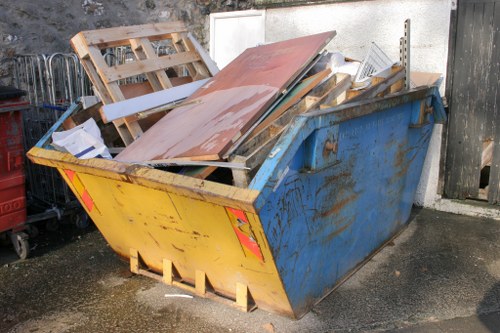
Businesses often need bulky items removed when interiors are updated, lease terms change or old stock is replaced. Furniture disposal may involve desks, chairs, cabinets, counters, shelving and other large objects that are too awkward to leave waiting in an office or back room. Our approach is to remove these items carefully and keep the route out of the building tidy. Where a business has several pieces to clear, we can treat them as part of a broader furniture clearance rather than as isolated objects.
Some items are suitable for reuse, some are only fit for material recovery, and some are simply too damaged to keep. The right method depends on the item type and condition, which is why we separate furniture disposal from general rubbish where needed. Sofas, mattresses and similar domestic-style items may also appear in commercial settings, particularly in serviced offices, short-stay accommodation or staff areas, and these can be handled as part of a mixed load if included in the scope. What matters most is accurate description, so the right collection is planned from the start.
For practical planning, list the larger pieces first and note whether they are upstairs, in a basement or behind a restricted door. If items are dismantled already, say so; if not, describe them as they stand. That information helps shape the collection without turning it into a long exchange. Book once the load is clear, and keep the task focused on removal rather than storage or sorting problems that are already solved.
About Barnet
Barnet is a large North London district with a long history that reaches back to the medieval market town of Chipping Barnet, often called High Barnet, and the later growth of surrounding settlements as transport improved across the northern edge of the capital. The area is known for its mix of high streets, residential neighbourhoods, open spaces and green corridors, which sit alongside busy road routes that have long linked it with central London and Hertfordshire. Churchyard and civic heritage features remain visible in places such as St John the Baptist Church in Chipping Barnet, a landmark closely associated with the old town’s development. The district also contains the expansive Barnet Open Space, with nearby places like Monken Hadley Common and Hadley Wood reflecting the more wooded character found towards the edge of the borough. Further south, central parts of the area include changing retail parades, civic buildings and everyday urban streetscapes that show the shift from market settlement to suburban district. Water features are less dominant than in some parts of London, but the landscape still includes small streams and brooks feeding into broader catchments, while the local pattern of parks, commons and residential roads gives Barnet a varied and recognisable identity. Its history, built form and open land make it a place where old and new sit side by side rather than in separate quarters.
Business waste streams and specialist collections

Commercial premises often produce more than one kind of waste, and the collection should reflect that variety. Some loads are mainly paper and cardboard; others include obsolete equipment, worn furniture, packaging, broken fittings or items from a refit. We also handle specific categories such as fridge and appliance removal where the items are part of a business clear-out, and hazardous waste disposal where a load requires separate consideration. Not every job needs specialist handling, but when it does, it is better to identify it early than to mix it with ordinary rubbish.
For businesses that care about how waste is processed, recycling and sustainability are often part of the decision. We can separate suitable material where practical and direct reusable or recyclable items away from a single mixed disposal route. This is especially useful when a premises is being emptied in stages or when one load contains a wide range of material types. A clear description of the waste helps determine what can be combined and what should be treated separately, keeping the collection efficient without overcomplicating the booking.
If your premises produces recurring waste, you can use the same service structure for regular clearances or occasional larger jobs. A simple description of what is building up, how often it appears and whether there are access constraints will usually be enough to get started. For a fuller breakdown of pricing factors and service options, see our pricing and quotes page and then request the collection that suits your site.
Planning collections around access and timing
Waste removal for businesses is often shaped by practical site details more than by the type of waste itself. If a vehicle cannot stop close to the entrance, or if there are shared corridors, controlled reception points or stairs to work around, the collection needs to be planned with care. We look at the load, access and lifting requirements together so that the job can be handled efficiently. This is especially useful when several rooms or floors are involved.
Timing matters too, particularly for workplaces that cannot afford unnecessary interruption. Collections may need to fit around trading hours, deliveries, contractors or staff presence, and a good description of the site helps reduce back-and-forth later. If a room is being emptied before handover, or stock needs clearing ahead of a refit, it is worth being specific about the sequence. The more accurately the job is described, the easier it is to organise removal without turning it into a long logistical exercise.
Keep one short note ready with the main items, the floor or area they are in, and any access detail that might affect the collection. Then you can move quickly from planning to action. If you already know the waste category, say so at the outset; if not, a general description is still useful and can be refined. Use the details you have, and ask for a quotation once the scope is clear enough to price sensibly.
Household-style clearances for commercial settings
Some business premises contain items that are more commonly associated with domestic clearances. Staff rooms, managed accommodation, short-let properties, charity offices and mixed-use premises may all generate furniture, household rubbish, mattresses or loose belongings alongside ordinary office waste. In those situations, a home clearance or house clearance style approach may be the most practical way to remove a mixed load without forcing it into a narrow category. The emphasis stays on clear removal and sensible sorting rather than on the label attached to the items.
We also handle related clearances such as flat clearance, loft clearance and garage clearance where a business or landlord needs space emptied as part of a wider property change. These collections can be particularly useful when storage areas have become cluttered with surplus items or when a property is being prepared for another use. The work is still commercial in context, but the content of the load may be mixed. That is why a straightforward description of what is present is more helpful than a long explanation of why it ended up there.
Before booking, it helps to know whether anything is fixed, fragile or too large to move through the normal route. If there are multiple spaces involved, note them in order so the collection can be planned efficiently. A clear summary and an honest estimate of volume are usually enough. When you are ready to go ahead, make a simple quotation request and keep the job description focused on the waste itself.
What to include when asking for a quotation
A useful quotation request does not need to be long, but it should be specific. Include the type of premises, the main waste category, approximate volume and any items that are especially heavy, awkward or delicate. If there is a deadline, say so. If there are special access issues, mention them once rather than scattering them through several messages. This kind of concise information gives a clearer picture of the job and helps avoid confusion later in the process.
An image set can also help when a load is hard to describe, especially if there are mixed materials, stacked furniture or items that have to be lifted from a particular room. Photographs are useful, but they should support a short written summary rather than replace it. Where access is straightforward, a few notes may be enough. Where access is restricted, one mention of stairs, lifts, loading bays or parking constraints is usually all that is needed. Brief, relevant detail is often better than a long back-and-forth.
Once the scope is defined, the next step is simply to ask for the price of the collection you actually need. That keeps the enquiry efficient and avoids guesses about what is or is not included. If you are comparing services, the clearest option is usually the one that explains its scope plainly and gives you a route to discuss the job without pressure. Request your quote when ready, and keep the focus on the waste that needs to go.
Clearance options for larger and more complex loads
Some clearances are straightforward and some involve a wider mix of waste, fittings and larger items. Builders waste clearance may be needed after refurbishment or minor works, especially where debris, packaging, offcuts and redundant materials have gathered. Our waste removal service can also support general mixed loads when a business wants one collection that covers several categories at once. The practical aim is to keep the premises tidy and move material out in an organised way.
For larger jobs, it helps to break the load into groups. Heavy objects, loose rubbish, furniture and specialist items can then be assessed together and handled in the right order. That is particularly useful if the property still has staff or customers present, because the work can be managed around what remains in use. One clear plan is usually better than trying to remove everything in an unstructured rush, and it keeps the collection safer and more efficient.