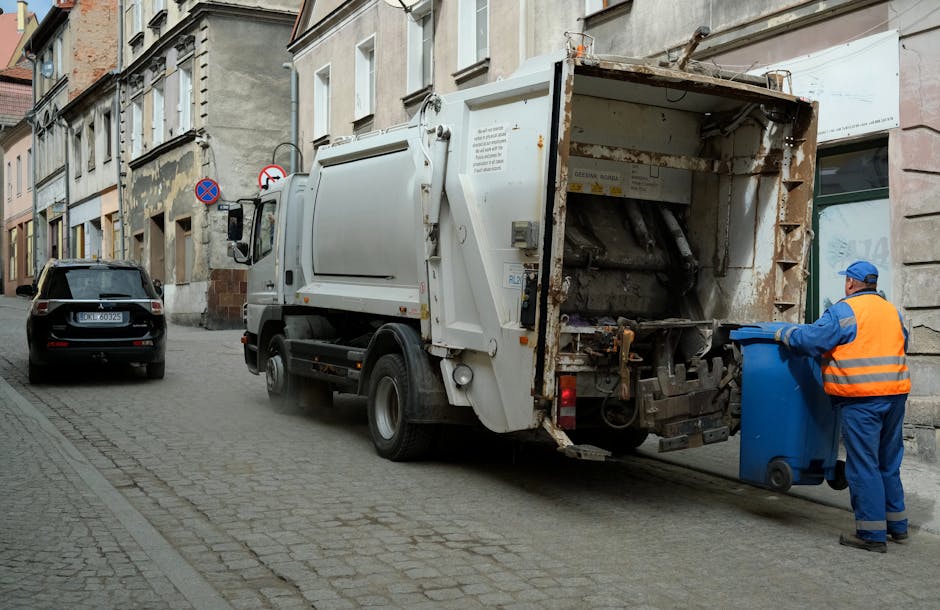
Rubbish removal High Barnet station tips: a practical guide for quicker, cleaner clearances
If you are trying to sort out rubbish removal near High Barnet station, the job can feel strangely awkward at first. There is the narrow timing window, the busy station approach, the question of what can be left out safely, and the usual worry about whether you will end up paying more than you should. These Rubbish removal High Barnet station tips are designed to make the whole thing simpler, especially if you want a neat, legal, no-drama clearance without turning your day upside down.
Truth be told, most people do not need a complicated plan. They need a clear order of operations, a realistic idea of what can be removed, and a few sensible precautions so that bags, bulky items, and awkward waste do not become a problem on the pavement or in the hallway. Below, you will find exactly that: practical steps, common mistakes, and local-minded advice that helps you move fast without being sloppy about it.
Why rubbish removal near High Barnet station matters
High Barnet station is one of those places where convenience and congestion sit right next to each other. If you are clearing rubbish nearby, timing matters more than people expect. A few bags in the wrong place can block a path, annoy neighbours, or make access difficult for your own team, let alone anyone else passing through. And if you are dealing with a flat, a shop, or a shared property, the margin for error gets even smaller.
The main reason this topic matters is simple: rubbish is easiest to deal with before it starts spreading. One open bag becomes two. A dismantled wardrobe sits in the hallway for a day or two longer than planned. Then suddenly you have a pile that is not just ugly, but genuinely awkward to move. In areas around transport hubs, people often need to work around arrivals, school runs, delivery vehicles, and those little bursts of station foot traffic that seem to appear out of nowhere.
Another point that often gets missed is presentation. Near a station, there is a stronger expectation that waste will be handled tidily and quickly. You do not want cardboard flattening in the rain, broken items leaning against a wall, or loose screws and packaging left behind. A clean clearance is not just about appearance; it reduces the chance of accidents and keeps the job moving.
Expert summary: Around High Barnet station, the best rubbish removal approach is usually the one that is most organised, least disruptive, and quickest to finish on-site. If the waste can be sorted in advance and taken away in one visit, so much the better.
If you are planning a larger clearance, it can also help to understand the wider service options available, such as general waste removal, house clearance, or flat clearance, depending on what you are actually dealing with. Choosing the right route early saves faffing about later.
How rubbish removal High Barnet station tips works
The process is usually more straightforward than people imagine. You identify the waste, separate anything that needs special handling, confirm access, and arrange collection or disposal. The key is not to think of it as one big job. It works better as a sequence of small, sensible decisions.
For most local clearances, the practical workflow looks like this:
- Assess the waste type. Are you dealing with household rubbish, renovation debris, furniture, green waste, or office clutter?
- Check access. Think about stairs, lifts, loading space, parking, and whether the route is clear enough for carrying bulky items safely.
- Separate special items. Fridges, mattresses, sofas, and anything hazardous may need different handling.
- Package loose waste. Put small items in bags or boxes so they are easier to lift and less likely to spill.
- Book the right service. Match the job to the service rather than forcing everything into one category.
- Clear the site in a controlled order. Start with lighter, awkward items and leave heavy or brittle items until the route is prepared.
A lot of delays happen because people start moving things before they know where everything is going. It sounds obvious, but in real life it is easy to lose the thread. One pile in the kitchen, another in the hallway, another near the door... and the place starts to look busier than when you began. Been there, frankly.
If your load includes more specialised items, the right service page can be useful for planning. For example, bulky furniture may be better handled through furniture clearance or furniture disposal, while building debris is usually better suited to builders waste clearance. Matching the method to the waste makes everything calmer.
Key benefits and practical advantages
Good rubbish removal near High Barnet station is not just about getting rid of stuff. It gives you space, speed, and a better sense of control. That matters more than people admit. A cluttered property or worksite makes every other task feel heavier. Once the waste is gone, decisions get easier.
Here are the benefits that tend to matter most in practice:
- Faster turnaround. A clear route and pre-sorted waste usually mean less time on site.
- Lower stress. You are not trying to improvise with half-filled bags or unstable piles.
- Cleaner surroundings. Less mess means less sweeping, fewer trip hazards, and a better finish.
- Better access. This is especially helpful in flats, shared entrances, and compact streets near transport links.
- More predictable costs. When you know what is going and how much there is, quotes are easier to understand.
- Improved recycling outcomes. Waste that is sorted sensibly is usually easier to route correctly.
There is also a quiet psychological win. A cleared room feels different the moment the old sofa or the busted cabinet is gone. The air feels less cramped. The noise of dragging and shifting stops. You can hear yourself think again. That sounds a bit dramatic, but it is true enough.
If sustainability matters to you, it is worth paying attention to how a provider approaches sorting and recovery. A sensible recycling and sustainability process can make a real difference to what happens after collection, especially for mixed loads with cardboard, metal, wood, and reusable items.
Who this is for and when it makes sense
This kind of rubbish removal advice is useful for more people than you might think. It is not just for landlords or builders. In fact, some of the trickiest clearances are domestic ones, where a few bulky items have quietly multiplied over time.
You will probably find these tips useful if you are:
- moving out of a flat near the station
- clearing a rental property between tenants
- emptying a loft, garage, or spare room
- tidying up after DIY or a small renovation
- getting rid of old furniture, broken appliances, or garden waste
- organising office clutter that has been left to gather dust for far too long
- trying to make a property presentable before a sale or letting view
There are also times when it makes sense to act quickly rather than wait. If the waste is blocking access, attracting damp, or making a room unusable, the job should move up the priority list. Sometimes people wait because they are "still deciding what to keep". Fair enough. But if the pile is already causing a problem, decision fatigue is not really helping.
For business premises, the same logic applies. If you are clearing stock, packaging, paper, or equipment around the station area, a dedicated business waste removal approach is often more efficient than trying to bundle everything into a general tidy-up.
Step-by-step guidance
If you want a smooth clearance, follow a proper order. The difference between a tidy job and a messy one is usually just planning. Here is a simple way to do it.
1. Walk the route first
Before lifting anything, check the route from the waste pile to the exit. Look for tight corners, slippery floors, low ceilings, loose mats, or anything that could make carrying difficult. If you are dealing with stairs, measure mentally whether a bulky item will actually turn the corner without damage. It saves hassle later.
2. Group items by type
Keep similar materials together where possible. Cardboard with cardboard. Wood with wood. Soft furnishings together. Mixed waste can still be handled, but grouping items makes the job faster and usually tidier. It also helps if something needs special handling.
3. Separate awkward or restricted items
Some items should not be mixed into general waste. For example, fridges, freezers, and some appliances need separate attention. Hazardous waste is another category entirely. If you are unsure, stop and check rather than guessing. That one pause can save a headache.
4. Make bulky items easier to move
Take drawers out of cabinets, remove cushions from sofas, and break down flat-pack furniture where practical. A dismantled item is usually safer to carry and less likely to scrape walls or door frames. If you have ever tried to manoeuvre a full wardrobe through a narrow hall, you will know why this matters.
5. Clear the heaviest items last
Heavier items are easier to move once the lighter clutter has gone. Start with loose waste and fragile pieces, then work towards the big stuff. It sounds minor, but it stops the route from becoming blocked halfway through.
6. Finish with a proper sweep-up
A good clearance does not end when the last item is loaded. Pick up screws, tape, bits of cardboard, and dust. Especially around a station area, you want the final result to look intentional, not abandoned.
If the job is more about clearing a whole property than one area, the broader options on home clearance, garage clearance, or loft clearance may be a better fit. And for outdoor waste, garden clearance is usually the cleaner route.
Expert tips for better results
Here is where a little experience goes a long way. The best rubbish removal jobs are the ones where the mess is tamed before collection day. Not glamorous, but effective.
- Take photos before you start. It helps you track what is going and can reduce confusion if different areas are being cleared.
- Keep one "do not move yet" zone. This is especially helpful if family members, tenants, or staff are still sorting items.
- Bag the small stuff early. Loose clutter takes longer than people expect.
- Protect floors and corners. Old blankets, cardboard, or simple floor protection can prevent damage during bulky moves.
- Label anything questionable. If an item might be reusable, recyclable, or restricted, make it obvious.
- Plan around peak movement times. In the morning and late afternoon, the station area can feel busier and less forgiving.
One small but useful trick: keep a box for screws, brackets, cables, and fixings. It sounds almost laughably simple, but it saves you from that annoying moment where a little metal fitting turns up underfoot three days later. Tiny things have a talent for doing that.
If you are preparing for a specific item type, it can help to read the dedicated service descriptions first, such as mattress and sofa disposal or fridge and appliance removal. That gives you a better sense of what the job may involve.
Common mistakes to avoid
Most problems with rubbish removal are avoidable. They usually come from rushing, not from bad intentions.
- Leaving sorting until the last minute. This is the biggest one. It turns a simple clearance into a scramble.
- Blocking walkways with mixed piles. That slows everyone down and creates trip hazards.
- Forgetting about access. A van may be booked, but if the route is blocked or parking is impossible, time gets wasted.
- Mixing hazardous items with ordinary waste. Don't do that. It's not worth the risk.
- Underestimating how much waste there is. Bags, packaging, and broken items add up quickly.
- Assuming all bulky items are treated the same. They are not.
- Neglecting paperwork or permissions in shared buildings. Flats and managed premises can have extra rules.
And yes, people sometimes forget the obvious: a clearance is easier if the exit door actually opens fully. It sounds ridiculous, but there it is. A stack of old chairs behind the door can undo the best-laid plan in about five seconds flat.
Tools, resources and recommendations
You do not need specialist equipment for every job, but a few basic tools make rubbish removal much smoother. If you are doing part of the work yourself before collection, keep the following nearby:
- heavy-duty bin bags
- strong boxes for loose mixed items
- packing tape
- marker pens for labels
- work gloves
- a broom and dustpan
- blankets or cardboard for protecting floors
- a screwdriver or allen key for dismantling simple furniture
- torch or phone light for dark corners, especially in lofts and garages
For regulated or sensitive items, do not improvise. If the load includes confidential paperwork, a service such as confidential shredding is much more appropriate than just shredding things yourself into a mixed bag. That applies especially to business records, old client files, and anything with personal data on it.
If you are comparing quotes, the page on pricing and quotes is a useful place to understand what usually affects cost, while book online is handy when you already know what needs removing and want to move on quickly.
Law, compliance, standards, or best practice
For rubbish removal, good practice is not optional. Even without going deep into legal detail, there are a few common-sense rules worth following in the UK context. Waste should be handled responsibly, separated where needed, and moved in a way that does not create a hazard for neighbours, passers-by, or workers.
If you are responsible for waste from a business, landlord property, renovation, or office, it is especially important to be careful about duty of care, waste classification, and any item that may need special treatment. In plain English: do not leave it to chance. Mixed loads can be fine when they are managed properly, but hazardous items, electricals, and confidential materials deserve more attention.
Safety matters too. Heavy lifting, awkward stairs, damp surfaces, and low-light access all raise the risk of injury. A provider with clear health and safety policy information and sensible insurance and safety practices is usually a better bet than someone who just says, "We'll sort it, mate." That phrase can be charming. Not always reassuring, though.
If you are dealing with restricted waste, use the correct route. For example, items that may be hazardous should be considered separately and not tucked into ordinary rubbish. There is also a difference between what can be loaded into a skip and what really should not be. If in doubt, the guide on what can go in a skip is a helpful reference point for general sorting decisions.
Options, methods, or comparison table
There is more than one way to deal with rubbish near High Barnet station, and the best choice depends on waste type, volume, access, and how quickly you need the space back.
| Method | Best for | Pros | Watch-outs |
|---|---|---|---|
| General waste removal | Mixed household or light commercial clutter | Flexible, quick, simple to arrange | May not suit specialist items |
| Furniture clearance | Old sofas, wardrobes, tables, chairs | Good for bulky items, less hassle than moving them yourself | Large pieces may need dismantling first |
| Builders waste clearance | DIY or renovation debris | Useful for rubble, timber, packaging, offcuts | Heavy loads can be harder to access on tight streets |
| House or home clearance | Whole rooms or full-property clear-outs | Efficient when there is a lot to do | Needs better planning and sorting |
| Specialist disposal | Fridges, mattresses, hazardous items, confidential waste | Correct handling and safer disposal | Not suitable for mixing with ordinary rubbish |
The best method is usually the one that matches the real job, not the one that sounds cheapest at first glance. A small amount of planning here can save a surprising amount of back-and-forth later.
Case study or real-world example
A typical local scenario goes like this: a small flat near High Barnet station needs clearing after a long-overdue tidy-up. There is a broken bookcase, a tired sofa, several bags of mixed waste, a few boxes of paperwork, and a fridge that no longer works. Nothing dramatic, just the sort of job that starts off "manageable" and then somehow fills the hall.
The smartest way to approach it would be to sort the items first: furniture in one group, paperwork aside for shredding, appliances separated, and loose rubbish bagged. The hallway gets cleared before larger items are moved, because once the exit route is open the job becomes much easier. The fridge is handled separately, the sofa is moved carefully, and the final sweep leaves the flat ready for cleaning.
What made that sort of job work well was not luck. It was a sequence: sort, separate, clear access, remove the right items in the right order. Nothing fancy. Just organised.
In another case, a small office close to the station might need to clear old desks, packaging, and confidential archive files. That is where business-focused services and shredding support become useful, rather than trying to improvise with a few bins and a lot of hope. Hope is overrated in waste management, to be fair.
Practical checklist
Use this checklist before the collection day or before you start shifting things yourself.
- Have I identified every item that needs removing?
- Have I separated furniture, general waste, electrical items, and anything hazardous?
- Is the path to the exit clear?
- Are stairs, lifts, or doorways measured up for bulky items?
- Have I bagged loose rubbish and taped up boxes?
- Have I protected floors, walls, or corners where needed?
- Do I know which items need specialist handling?
- Have I checked whether parking or access needs planning?
- Is confidential material stored separately?
- Have I cleaned up screws, debris, and packaging after the main items are gone?
Key takeaway: the less you leave to chance, the faster and cleaner the whole clearance will feel.
Conclusion
The best rubbish removal High Barnet station tips are not really about clever tricks. They are about calm, practical choices: sort before you move, protect your access route, separate restricted items, and choose the right service for the waste you actually have. Do that, and the whole job becomes much less stressful. You will notice the difference almost immediately.
Whether you are clearing one room, a full flat, or a pile of awkward mixed rubbish after a busy week, a structured approach gives you a better result and usually a better value too. And if the job is bigger than you first thought, that is normal. Happens all the time. Just start with the easy wins and let the rest follow.
Get a free quote today and see how much you can save.
Frequently Asked Questions
What is the best way to organise rubbish removal near High Barnet station?
The best approach is to sort waste by type first, clear access routes, and separate anything bulky, hazardous, or confidential. That keeps the job quicker and safer.
Can I put all my rubbish into one pile before collection?
You can, but it is usually better not to. Mixed piles slow things down and can cause problems if certain items need special handling. Grouping waste by type is much easier in practice.
How do I know if an item needs specialist disposal?
Fridges, some electrical items, mattresses, sofas, and hazardous materials often need extra attention. If an item seems awkward, heavy, or potentially restricted, check before mixing it with general waste.
Is rubbish removal better than hiring a skip?
It depends on access, volume, and how quickly you need the waste gone. A clearance service is often easier for bulky mixed waste, while a skip may suit longer DIY projects. The right answer is not always the obvious one.
What should I do before a rubbish removal team arrives?
Bag loose waste, clear the route to the door, label awkward items, and move anything personal or confidential to one side. A little prep can make the visit far smoother.
How can I avoid damage to floors and walls during removal?
Use blankets, cardboard, or other protection along the route, especially around corners and stairs. Bulky items should be carried carefully and dismantled where practical.
Do I need to separate recyclable items?
It helps, yes. Cardboard, metal, wood, and reusable items are easier to route correctly when they are separated in advance. That is good for tidiness and often better for recycling outcomes.
What if I have confidential papers mixed in with other rubbish?
Keep them separate and use a proper shredding option rather than mixing them into general waste. That is especially important for business records and personal data.
How long does a local rubbish removal job usually take?
It depends on the amount of waste, access, and whether the items are already sorted. A tidy, well-prepared job can be much faster than a poorly organised one. There is no magic number, annoyingly.
What are the most common mistakes people make?
The biggest mistakes are leaving sorting too late, blocking walkways, forgetting about access, and mixing restricted items with ordinary rubbish. Those are the ones that tend to create delays.
Can furniture be removed from flats near the station?
Yes, usually. The main thing is access. Stairs, lifts, narrow halls, and parking all need to be considered before moving large items. Flat clearances often need a bit more planning than houses.
How do I choose between house clearance and furniture clearance?
If you are removing a whole property's contents, house or home clearance is usually more suitable. If it is mainly one or two large items, furniture clearance or disposal is often the better fit.
What should I look for in a reliable provider?
Look for clear pricing, sensible safety practices, proper handling of special waste, and an organised approach to collection. Trust and clarity matter more than flashy promises.
Where can I learn more about the company behind these services?
You can read more on the about us page or get in touch through the site when you are ready to discuss the job in more detail.
Contact the team if you need to talk through a clearance that feels a bit too awkward to sort alone. Sometimes a quick conversation makes the whole thing feel lighter.